Kawasaki Z500 Review 2026: The Most Practical Big-Bike You Can Actually Live With?
Introduction: Where the Kawasaki Z500 Fits in Today’s Market
The middleweight naked motorcycle segment has changed significantly in recent years. Riders no longer want extreme supersport performance for daily use they want a bike that looks aggressive, feels premium, performs confidently, and remains comfortable enough for city riding and weekend trips.
This is exactly where the Kawasaki Z500 positions itself. Sitting between beginner-friendly motorcycles and full-blown middleweight monsters, the Z500 promises smooth parallel-twin performance, manageable power, sharp streetfighter styling, and everyday usability.
But does it justify its premium branding and expected pricing? This in-depth review answers that question honestly.
Kawasaki Z500 Key Specifications (Global Model)
(Specifications may vary slightly by market)
-
Engine: 451cc, liquid-cooled, parallel-twin, DOHC
-
Max Power: ~45 PS
-
Max Torque: ~42.6 Nm
-
Transmission: 6-speed with assist & slipper clutch
-
Frame: Steel trellis frame
-
Front Suspension: 41mm telescopic fork
-
Rear Suspension: Uni-Trak monoshock (preload adjustable)
-
Front Brake: 310mm disc
-
Rear Brake: 220mm disc
-
ABS: Dual-channel (standard)
-
Seat Height: ~785 mm
-
Fuel Tank: ~14 litres
-
Kerb Weight: ~167 kg
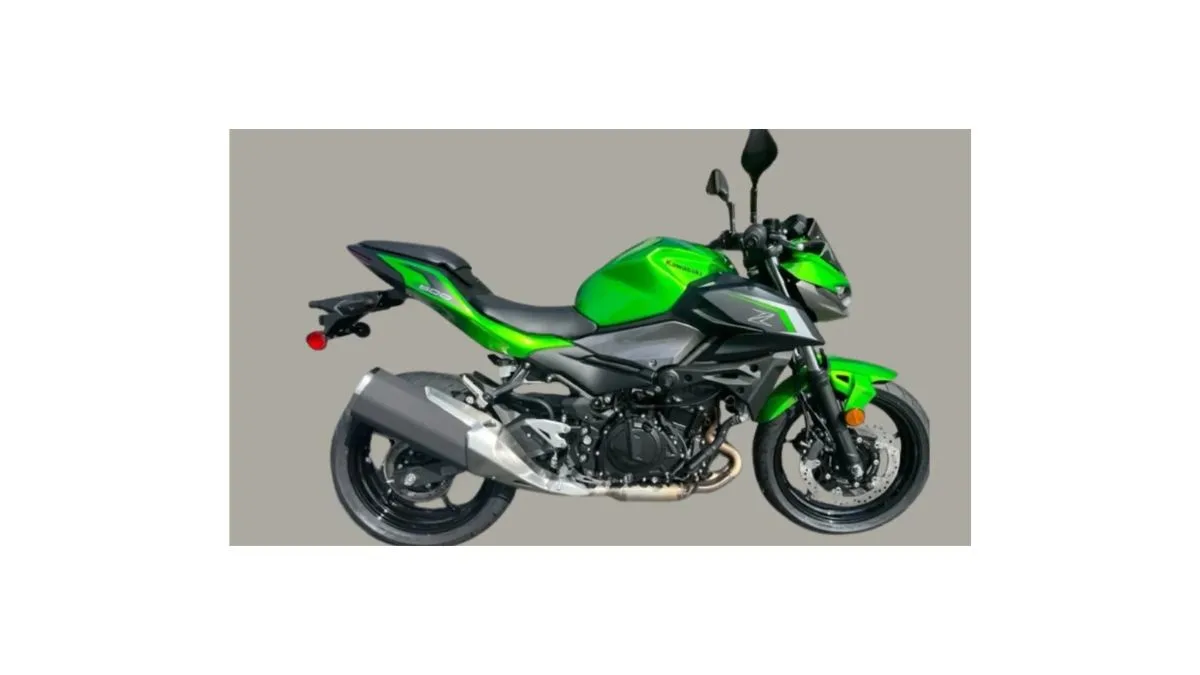
Design & Styling: Sharp, Muscular, and Very Kawasaki
The Kawasaki Z500 follows the brand’s aggressive Sugomi-inspired design language, which gives it a muscular and purposeful stance. The sharp headlamp design, sculpted fuel tank, and compact tail section make it look larger and more premium than its engine size suggests.
Despite being a naked bike, the Z500 has strong road presence. The exposed trellis frame and minimal body panels reinforce its streetfighter identity.
Real-world impression:
This is a bike that turns heads without being over-styled or impractical.
Engine & Performance: Smooth, Predictable, and Confidence-Inspiring
The heart of the Kawasaki Z500 is its 451cc parallel-twin engine, tuned for strong mid-range torque rather than outright top-end aggression.
How It Feels on the Road
-
City riding is effortless thanks to smooth throttle response
-
Mid-range pull is strong enough for quick overtakes
-
Highway cruising feels relaxed and vibration-free
This is not a bike designed to intimidate the rider. Instead, it delivers power in a controlled, linear manner—making it ideal for riders upgrading from smaller motorcycles.
Verdict:
Not the fastest in the segment, but one of the most usable engines for real-world riding.
Ride & Handling: Light, Balanced, and Beginner-Friendly
One of the Z500’s biggest strengths is its lightweight chassis and predictable handling. The trellis frame and well-sorted suspension setup make the bike feel agile in traffic and stable at higher speeds.
What Riders Will Appreciate
-
Easy low-speed maneuverability
-
Confident cornering without nervousness
-
Comfortable suspension tuning for Indian road conditions
The seat height of around 785 mm also makes the Z500 accessible to shorter riders—something many middleweight bikes struggle with.
Braking & Safety: Simple but Effective
Kawasaki has equipped the Z500 with:
-
Large disc brakes
-
Dual-channel ABS as standard
Braking performance is progressive and predictable. While it doesn’t feature advanced electronics like traction control or riding modes, the setup is more than adequate for the bike’s performance level.
Safety takeaway:
Minimal electronics, but solid fundamentals.
Features & Technology: Focused on Essentials
The Kawasaki Z500 doesn’t overload you with electronics—and that’s intentional.
Key Features
-
Assist & slipper clutch
-
Digital instrument cluster with smartphone connectivity
-
Economical riding indicator
-
ERGO-FIT ergonomics system
This bike prioritizes riding feel over gadgetry, which many purist riders will appreciate.
Comfort & Ergonomics: Built for Daily Riding
The upright riding position, wide handlebars, and well-padded seat make the Z500 comfortable for:
-
Daily commuting
-
Weekend rides
-
Occasional touring
Wind protection is limited (as expected from a naked bike), but at legal highway speeds, fatigue remains manageable.
Mileage & Running Costs
While official mileage figures vary by riding style, the Z500 is expected to deliver decent fuel efficiency for a parallel-twin, especially compared to larger 650cc motorcycles.
Maintenance intervals and reliability should be strong, given Kawasaki’s proven engine platforms.
Kawasaki Z500 vs Rivals
| Bike | Best For |
|---|---|
| Kawasaki Z500 | Balanced performance & comfort |
| KTM Duke 390 | Aggressive riding & features |
| Yamaha MT-03 | Smoothness & brand reliability |
| Aprilia Tuono 457 | Sporty handling & performance |
The Z500 stands out for its ease of use and refinement, rather than outright aggression.
Pros & Cons
Pros
-
Smooth parallel-twin engine
-
Excellent everyday usability
-
Premium build quality
-
Manageable seat height
-
Beginner-to-intermediate friendly
Cons
-
Lacks advanced electronics
-
Premium pricing expected
-
Not the most powerful in its class
Expected Price & India Launch
Globally, the Kawasaki Z500 is positioned as a premium mid-capacity motorcycle. In India, it is expected to be priced around ₹5.1–5.3 lakh (ex-showroom) when launched, depending on localization and import strategy.
Who Should Buy the Kawasaki Z500?
You should consider the Z500 if:
-
You want a big-bike feel without intimidating power
-
You ride daily and value comfort
-
You’re upgrading from a 200–300cc motorcycle
-
You want long-term reliability and refinement
You may want alternatives if:
-
You prioritize performance over comfort
-
You want advanced electronics and riding modes
Final Verdict: Is the Kawasaki Z500 Worth It?
The Kawasaki Z500 is not designed to win spec-sheet wars. Instead, it focuses on balance, refinement, and real-world usability. It’s the kind of motorcycle you can ride every day without fatigue, yet still enjoy on open roads.
For riders looking to enter the middleweight category without compromising comfort or confidence, the Z500 makes a strong and sensible case.